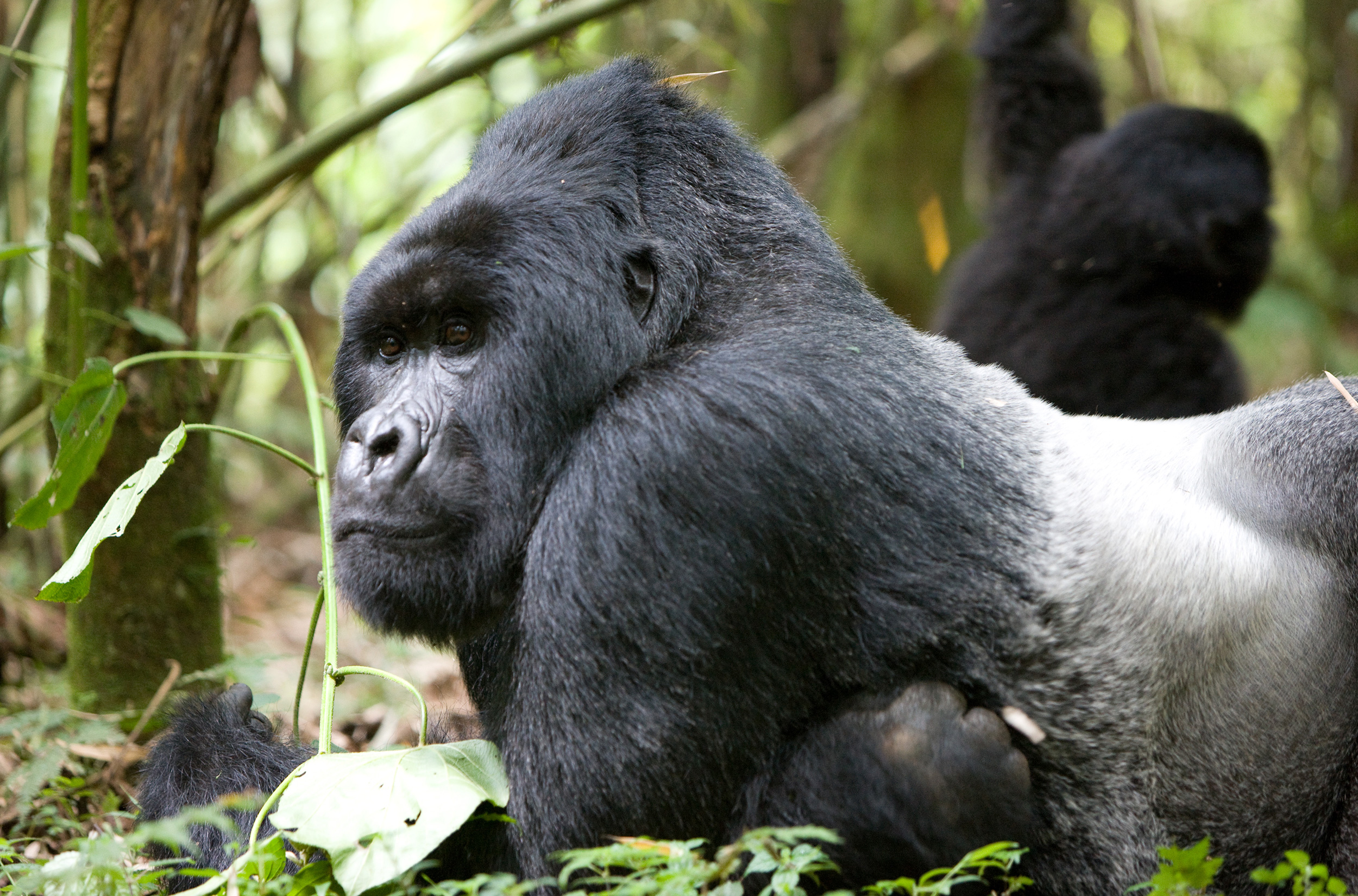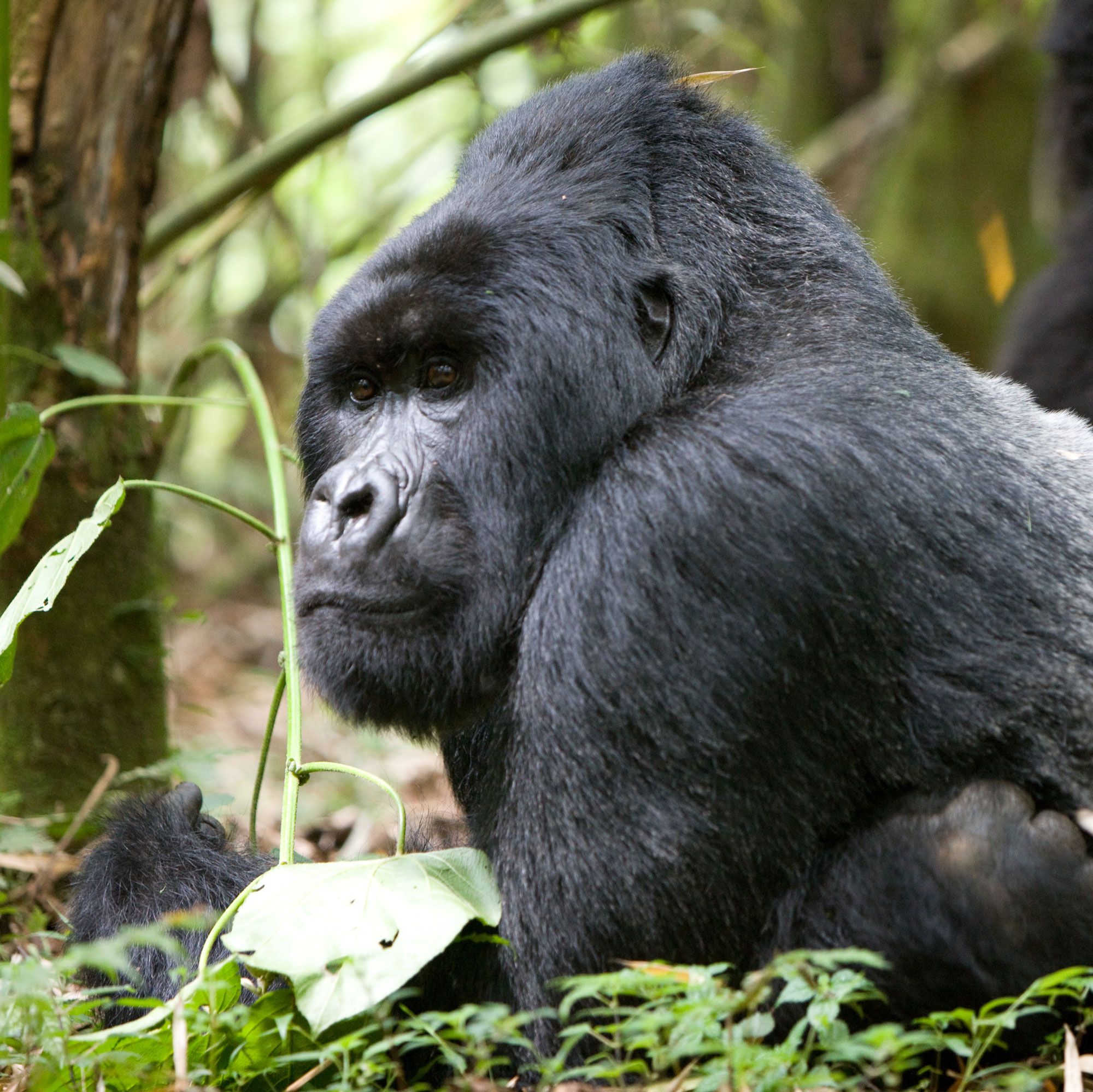
It is one of conservation’s greatest success stories.
But it is not over.
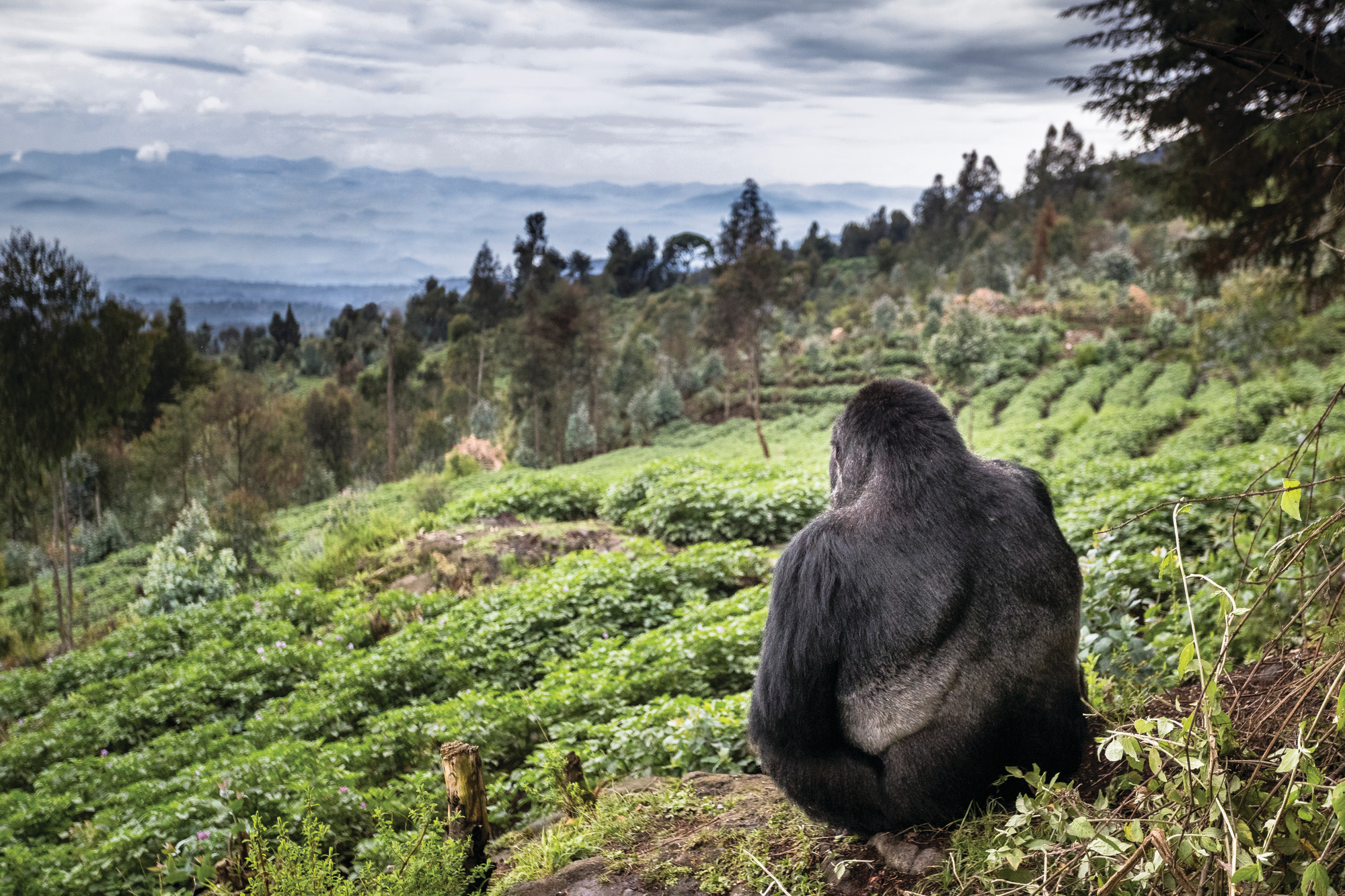
In 1981, there were fewer than 250 mountain gorillas alive in Rwanda’s Virunga mountains, a population so small that scientists feared the gorillas would disappear entirely. Today there are over 1000. But with the rebounding of the gorilla population comes new challenges – to ensure the park is large enough to support mountain gorilla families and that the surrounding countryside provides for the human families that live near the park.
Rwanda is not leaving this to chance. The country has developed an ambitious green growth strategy aimed at restoring and expanding Volcanoes National Park while investing in enterprises and infrastructure that improve the lives of people who call its slopes home.
Backed by the World Bank and developed to the highest international standards, Rwanda has a strategic plan for a once-in-a-generation undertaking—and the Rwanda Development Board and African Wildlife Foundation are supporting this ambitious vision.
Rwanda is:
-
Expanding Volcanoes National Park by 23% to give gorilla families the range they need to grow.
-
Establishing a 6,620-hectare buffer zone of agroforestry and sustainable agriculture, easing the pressure between wildlife and farmland.
-
Building modern villages with electricity, schools, and health clinics for more than 17,000 Rwandans.
-
Targeting a 15–20% increase in the mountain gorilla population and a 50% reduction in infant gorilla mortality, while decreasing human–wildlife conflict.
This is conservation at scale—a park big enough for gorillas and a landscape that works for the families living alongside the park.
A Shared Vision for Conservation
What happens when conservation is designed not only to protect nature, but to create opportunity for people? Rwanda offers a bold vision for a future where wildlife, communities and sustainable development can thrive together.